The Big Impact of Artificial Intelligence
Albert Arti
Artificial intelligence (AI) is here, and it's already changing how we learn and work. AI helps teachers make lessons and businesses do tasks faster. This is exciting, but it also brings up important questions about fairness and our future jobs.
In school, AI helps students learn better by giving them special lessons just for them. These systems can figure out where a student needs more practice and provide extra help automatically. At work, AI tools can write emails, reports, or summaries of long documents in seconds. This lets people spend more time on creative and important tasks, like solving complex problems or collaborating with others. It is boosting productivity in many different fields.
However, we need to make sure AI is fair and private. Some AI tools might have biases, which means they could treat some people unfairly if they aren't built carefully. People around the world are working on rules and laws to keep AI safe and helpful for everyone, making sure it follows ethical guidelines. But for kids it might be a bit hazardous. AI could lower kid’s IQ (intellectual quotient) because many children cheat on assignments and don’t actually do the work themselves.
Industries are quickly adapting to AI. For example, healthcare uses it for faster diagnoses, and new jobs like AI ethics specialists are being created. This task is about changing roles, not just replacing people.
One thing is for sure, AI is here to stay, and it's getting smarter all the time. It's smart to learn about it because we will all use it more in the future. We need to be ready to use new skills as the world changes, adapting to new technologies that will shape our everyday lives. Ultimately, AI is a powerful tool. How we use it determines our future. By learning new skills and focusing on fair access, we can harness AI's power to build a smarter, more equal world for everyone.
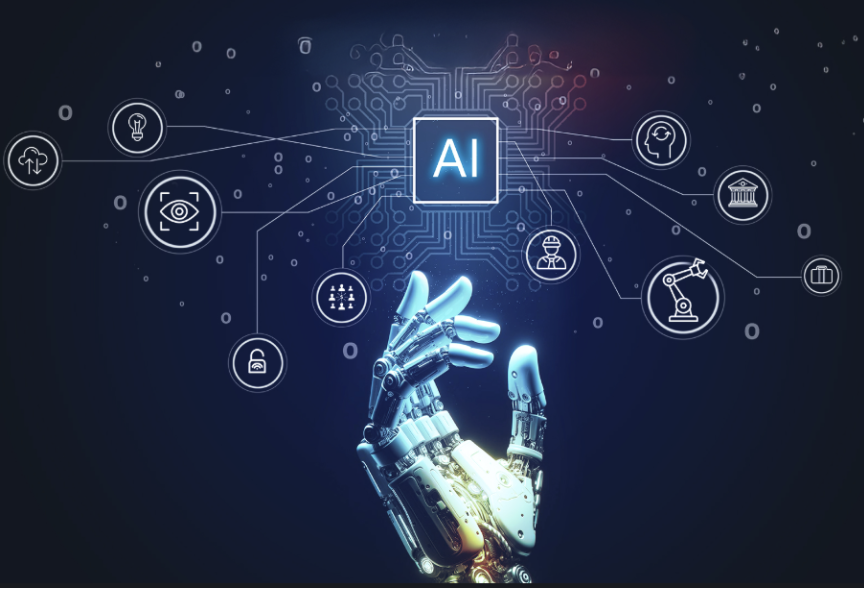
Source:https://trendsresearch.org/
